Captivating the Underground Music Scene with One Drum Machine
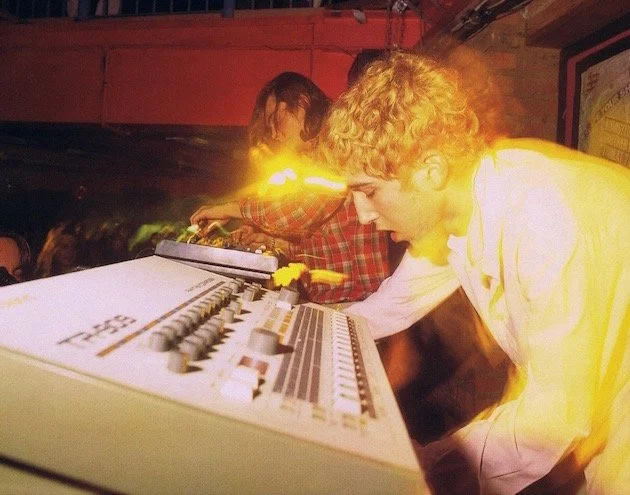
Thomas Bangalter of Daft Punk performs with a TR-909 during a live set in the 1990s.
Nearly every punchy, hard-hitting drum sound blowing through the speakers at underground music venues across the world is the result of one of the most important drum machines ever to be released: the Roland TR-909.
Influential is an understatement when describing the 909-drum machine, but its impact took a while for the music scene in the 80s to recognize. Roland Corporation released only a very limited 10,000 machines in its original 1983 release, describing it as a ‘hybrid analog digital machine.’
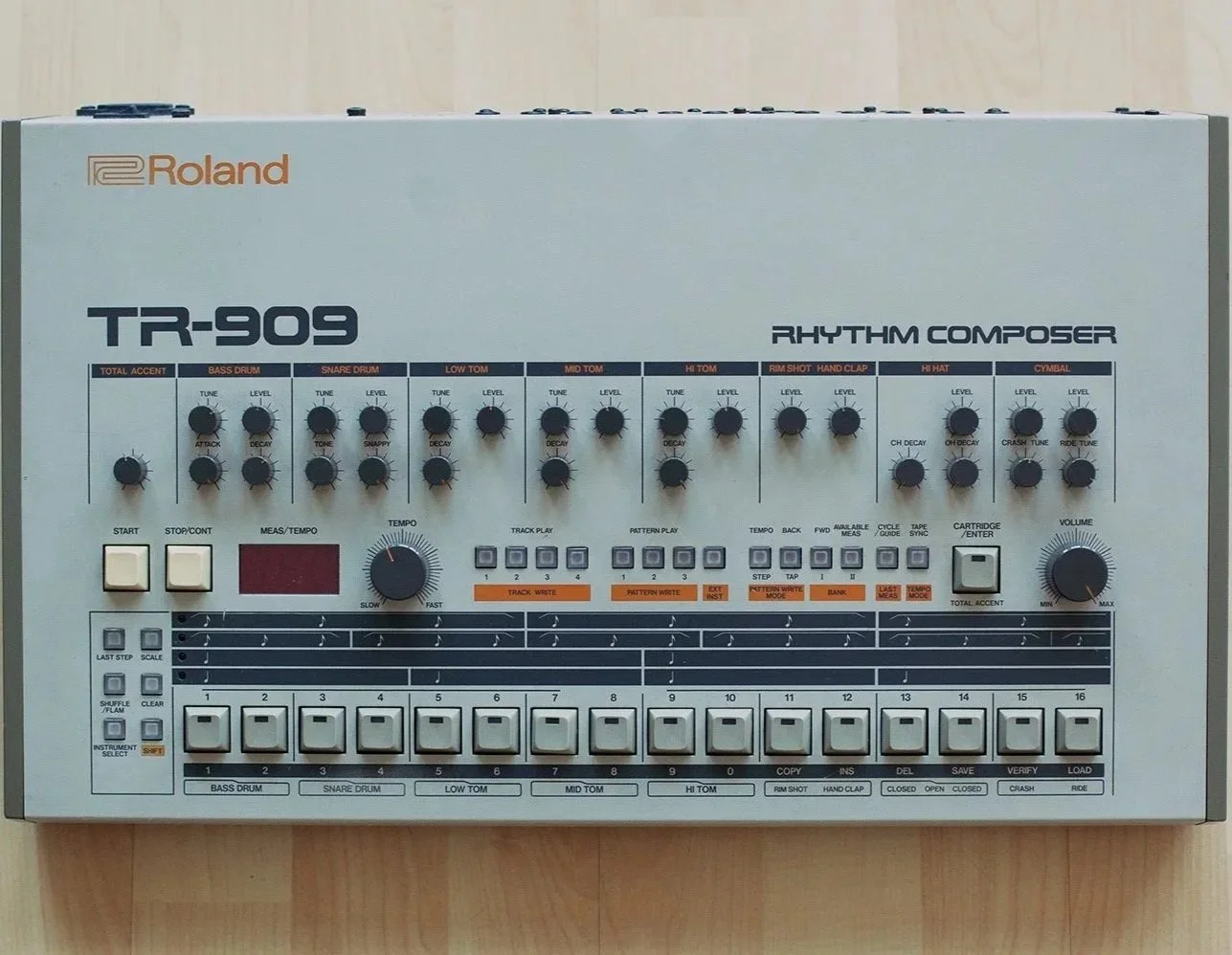
A Roland TR-909 Rhythm Composer drum machine
After Roland discontinued it, the machine became cheaper on the secondhand market, making it more accessible to underground producers. For innovative artists, it was a dream: a one-of-a-kind machine that could create hard kicks, repeating patterns, and rhythms built for the dance floor.
But A couple of years after its release, the product was seen throughout the industry as a failure. At the time, musicians and music reviewers did not rate the 909. A 1984 article from One Two Testing called the machine “less real” and “a sore disappointment.”The 909 was then discontinued, making the product increasingly accessible over time due to its low price, which prompted now-legendary artists like Frankie Knuckles, Marshall Jefferson, and Juan Atkins to take a risk with the commercially unsuccessful product.
Through the 70s and early 80s, disco was the genre of music played at bars, clubs, and venues; it was everywhere, inescapable. The craze that swept across cities like Detroit, Chicago, and beyond quickly became known as “disco fever.” But trailblazers of the time, like Frankie Knuckles, weren't satisfied with the sound, even critiquing disco as a ‘boring’ genre.
In 1977, Knuckles stepped into the booth at The Warehouse, a private Chicago club popular amongst people of color and other marginalized groups at the time. Knuckles played disco, soul, and European electronic records, extending the two tracks by blending them so the dance floor rarely had to stop. The mix gave the music a heartbeat; overlapping kicks created a drum pattern when matched correctly, but the blend Knuckles created did not yet have a name. However, he knew one thing: people loved dancing to it.
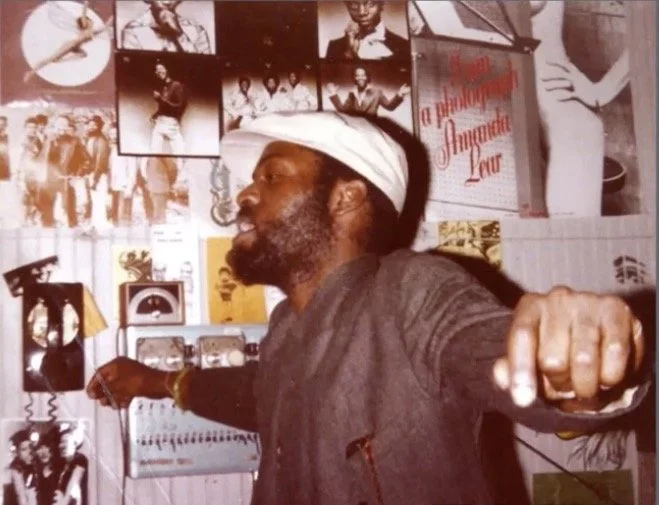
Frankie Knuckles dances in his music studio.
A few years passed, and Knuckles got his hands on the Roland TR-909. He layered drum patterns onto disco beats, this time creating them with the machine, mimicking sounds he was already so familiar with. To every disco track he touched, he gave life by adding crisp kicks and strong drums. This sound enhanced an upbeat effect to the music.
Meanwhile, in Detroit, legendary pioneer Juan Atkins was experimenting with many of the same electronic tools and the same drum machine as Knuckles. Still, he was taking the sound in a different direction. Atkins combined programmed rhythms, synthesizers, and funk basslines to create music that sounded futuristic, heavy, industrial, and a bit funky to some.
Juan Atkins is often referred to as the “Godfather” of Detroit Techno, and in the early 1980s, he helped form Cybotron with Richard “3070” Davis. This group pushed electronic music in a sharper, more futuristic direction.
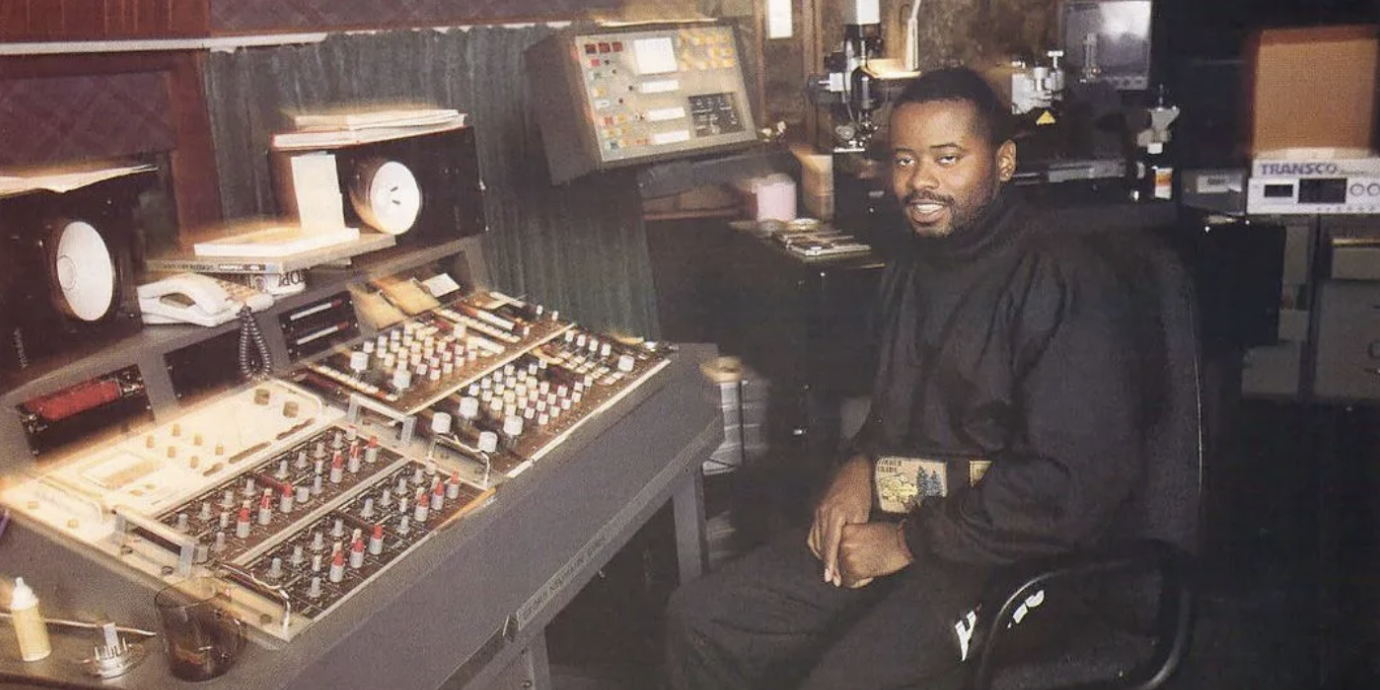
Juan Atkins of Cybotron sits at a studio mixing console in an undated photo. (Via Matthew Vosbergh)
Atkins helped prove that machines could still carry emotion, contrary to popular belief at the time. Instead of using technology to copy live instruments, he created his own sounds. Atkins used the drum machine to create a new identity in the club and underground music scene.
Both Detroit and Chicago saw the future of music in analog, leading to the birth of House and Techno.
The introduction of House music in Chicago built, shaped, and structured safe communities for people of color and those part of the LGBTQ+ community.
Techno turned a city’s decline into innovation through sound. Artists like Atkins took the feeling of a city surrounded by aging technology, factories, and industrial labor, and translated Detroit’s emotion into techno music. Suddenly, more and more underground music venues were established in both cities in the mid- to late 80s and early 90s, and swiftly the sound made its way overseas. European Cities like Berlin and London caught on to the infectious electronic sounds.
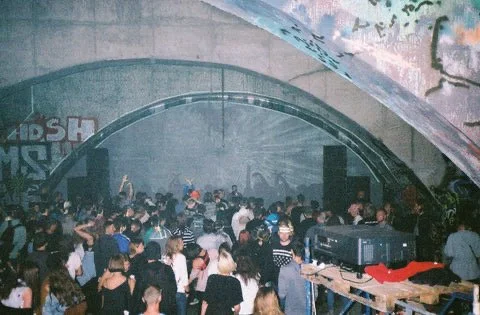
Clubgoers dance at an underground techno event in Berlin in the 1990s.
Berlin techno found its home in abandoned warehouses. The sound created a safe space for everyone in the underground music community. In London, subgenres such as Jungle, UKG, and DNB emerged, inspired by the deep cultural roots and backgrounds of the people living across the city. The TR-909 helped carry that feeling because of how powerful and repetitive its drums sounded, creating an irresistible, contagious sound.
The fast kick patterns became perfect for modern-day rave culture. It became part of the blueprint for EDM; the machine influenced producers in how a machine could create energy and emotion, and influenced a generation of modern-day artists, shifting and creating communities for everyone in the scene, creating a safe space for everyone involved.
Article by Jaime Villalpando