The Return of the Shared Dance Floor
Inside the Global Takeover of the 360-degree DJ Booth
By Jaime Villalpando | July 25th, 2026
Since breaking into the mainstream in the 2010s, the 360-degree DJ booth has become one of the most sought-after club experiences in the world. Rather than placing the DJ behind a booth at the edge of the room, the 360 format positions them at the center of the venue, surrounded on all sides by the crowd. The shift is deceptively simple, but it has fundamentally reshaped the relationship between artist, audience, and space, redefining expectations for live electronic music.
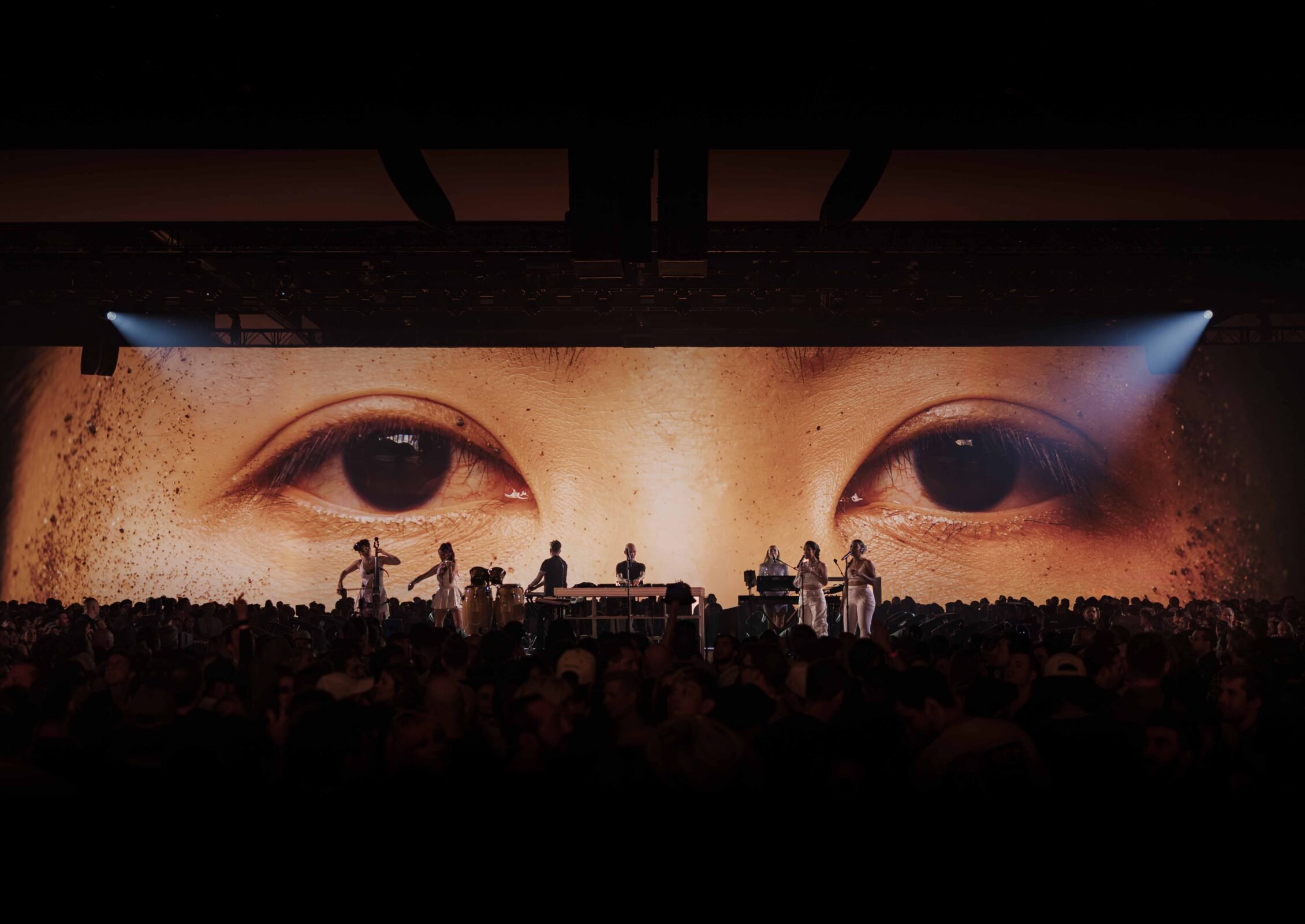
The Cercle Odyssey concert series places artists in the center of the audience while displaying cinematic visuals on all four walls of the venue creating a highly immersive concept that has quicly grown in popularity. (Courtesy of Cercle)
Boiler Room is often credited for popularizing this unorthodox format through their cinematic, filmed sets. While they weren't the first to do it, Boiler Room has exposed millions of viewers around the world to the idea of a crowd-surrounded DJ, paving the way for later adoptions of the 360 format for shows like Cercle Odyssey and Dekadance.
The layout became even more appealing after COVID, as fans returned to the dancefloor with a newfound appetite for immersion and interaction. Music fans wanted to be close to their friends more than ever, and the 360 setup naturally enhanced the feeling of community.
Often DJ’s or artists complain about the lack of movement or energy at a traditional show where people are facing the DJ, but the 360 setup completely combats that, giving a sense of freedom to everyone in the room. When dancers surround the DJ, they become part of the environment, finding themselves on a level plane to the selector, leading to an atmosphere that's not created by the DJ alone, but rather a collaborative energy where each dancer contributes.
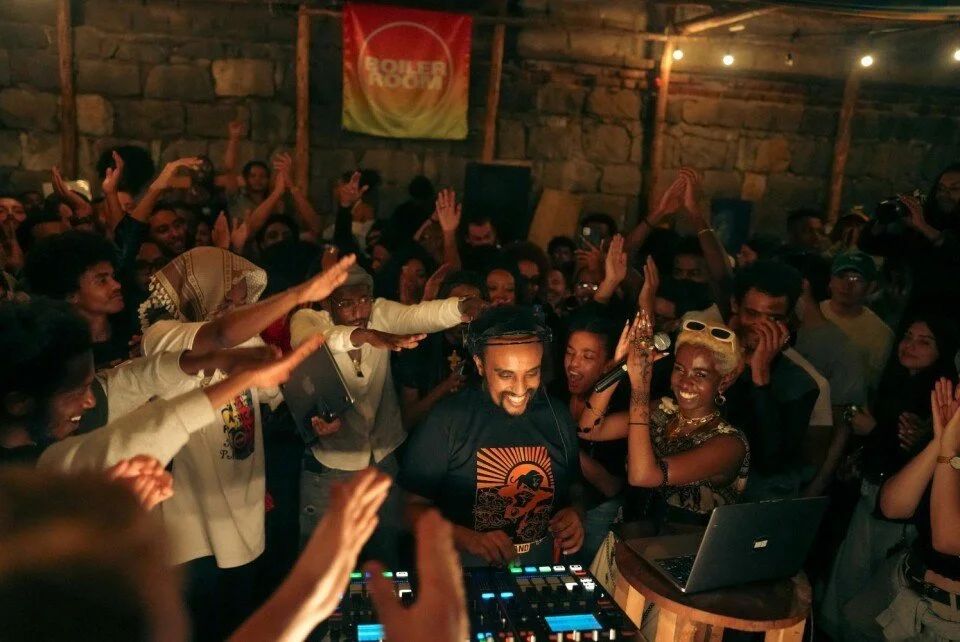
Artists and community members surround Ethiopian Records as he performs at Boiler Room's first-ever broadcast from Ethiopia at Moseb Music Center in Addis Ababa. (Courtesy of Boiler Room)
Like a dance circle, the energy builds through participation and unity. One person may lead, but everyone contributes to the rhythm. A great dance floor works the same way. The DJ sets the pulse, but the crowd’s movement turns it into something physical and emotionally charged
That is what makes the 360 room so desirable. There is no single direction people are required to face; there are no norms to conform to, just social interactions in their purest form. They can dance with their friends, move around, meet somebody new, or find another part of the room without feeling like they are missing the show.
The 360-degree room works because it returns attention to where it belongs, not the DJ, but rather the music, the dancing, and the people sharing the space. The setting of a 360-degree room is taking over every dance floor worldwide, a craze that doesn’t seem to end anytime soon, and for good measure.